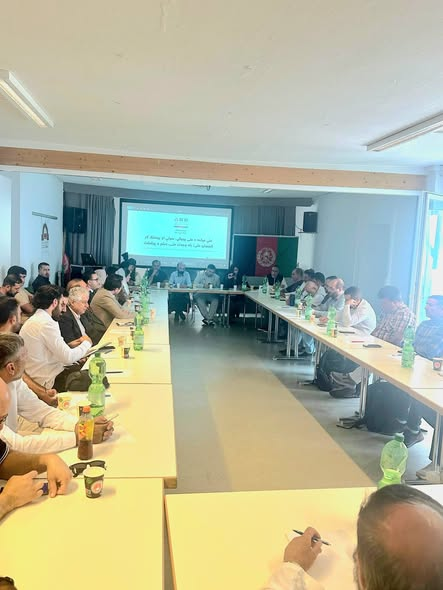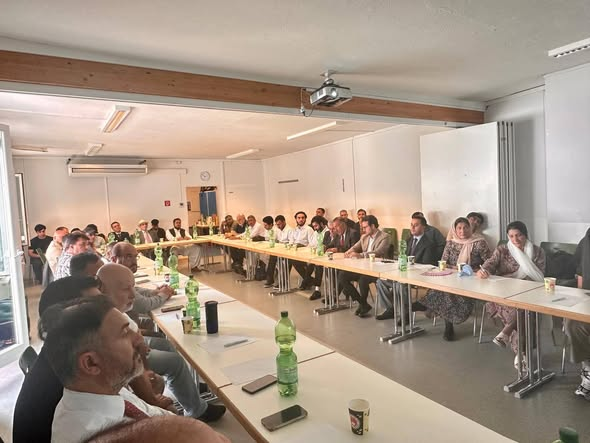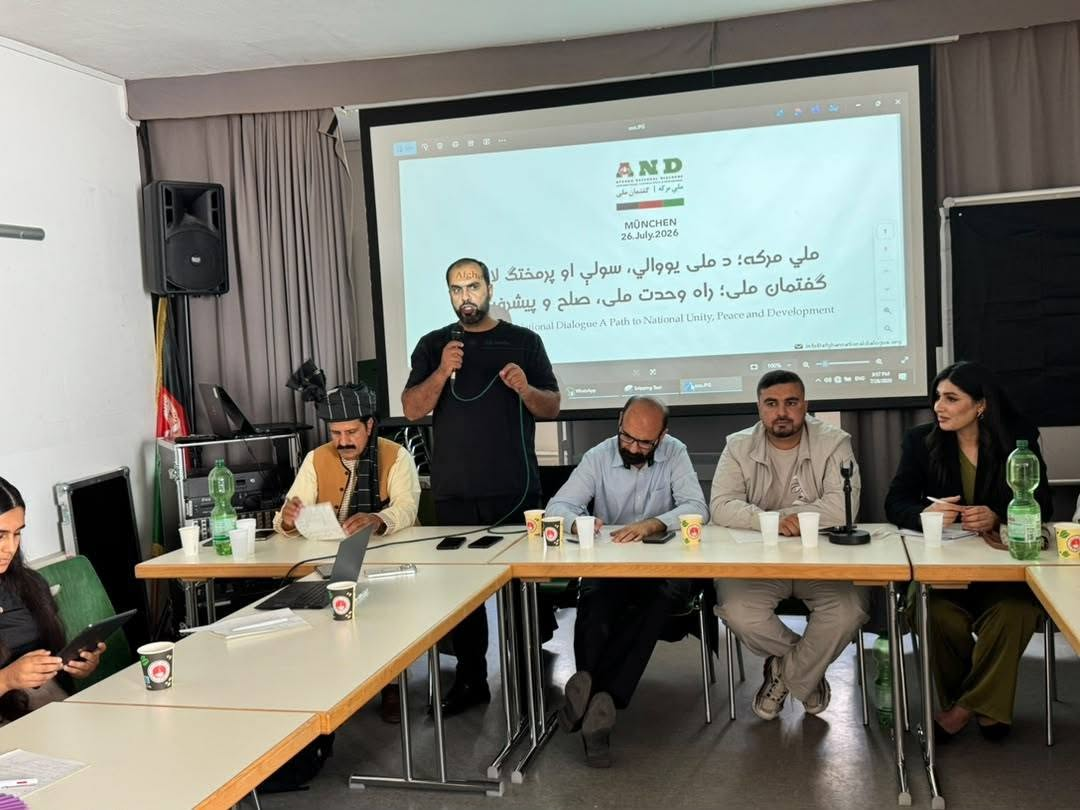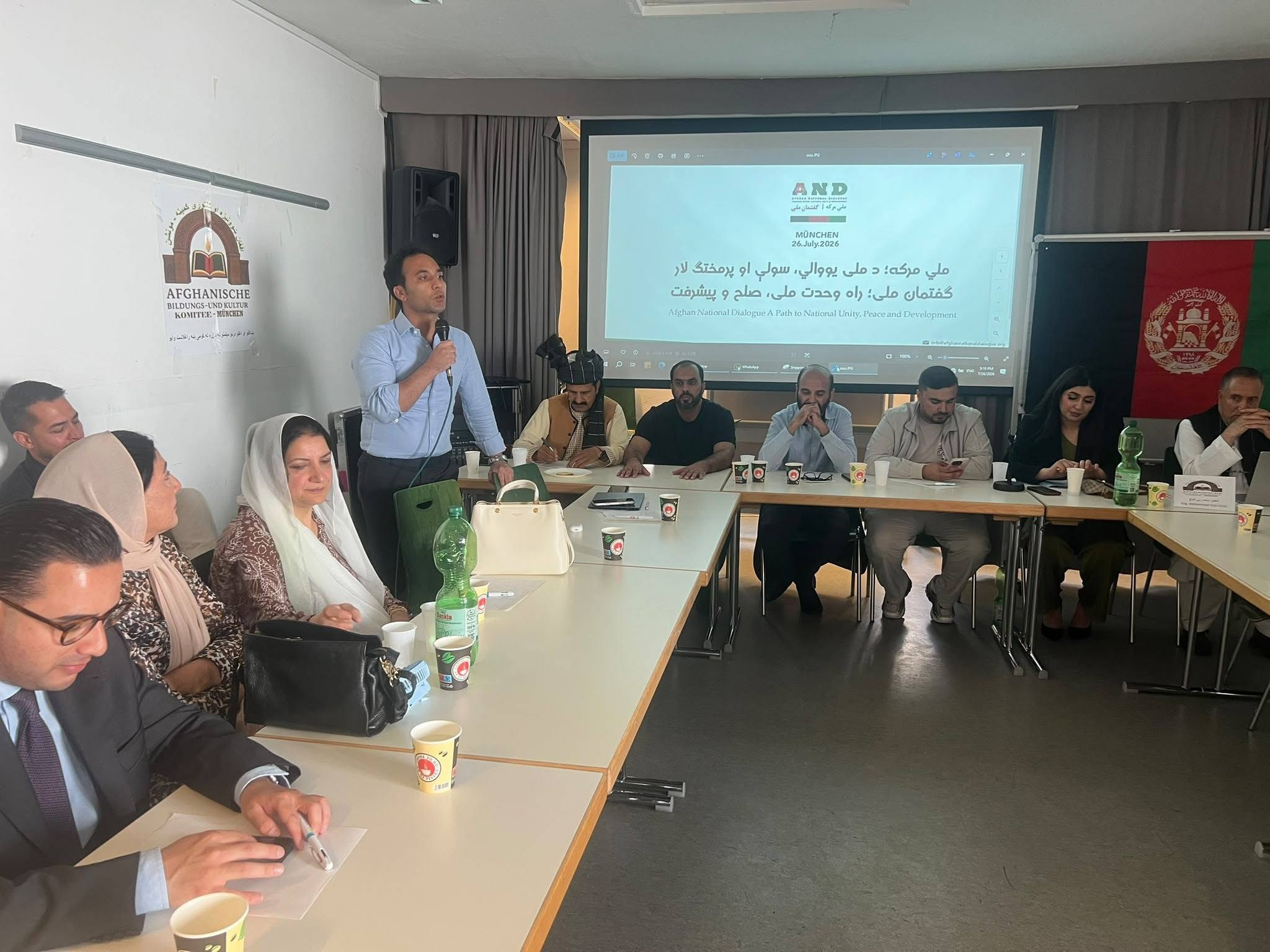
Fifteenth National Dialogue (Merke Mili) Meeting Held in Munich, Germanyنشست گفتمان ملی «مرکه ملی» در شهر مونیخ آلمان برگزار شدد جرمني په مونیخ ښار کې د ملي مرکې ناسته ترسره شوه
About the event
Key messages of the meeting
1) Firm emphasis on girls' right to education and women's right to work
2) The need for national dialogues to combat prejudice, discrimination and disunity
3) Building a cohesive and effective diaspora in support of peace and stability
4) Serious concern over the migrant crisis and the violation of Afghanistan's national sovereignty
The fifteenth National Dialogue (Merke Mili) meeting was held on Sunday, 26 July, in the city of Munich, Germany. It was a meeting attended by a wide range of Afghan social, cultural and political activists living abroad, held with the aim of strengthening dialogue, joint reflection and the search for practical paths to peace, stability and national unity in Afghanistan.
Held in an atmosphere of commitment and responsibility towards the country's future, this meeting once again showed that the Afghan diaspora can play an important role in shaping the national discourse.
Official opening of the programme
The first part of the meeting was moderated by Ms. Zuhra Mohammadi and Mr. Adam Zahed Zahedi, and began with a recitation of the Holy Quran by Abdullah Mesbah, followed by the performance of the national anthem by technical colleagues.
Afterwards, Jawid Mamozai welcomed the guests on behalf of the host committee and, referring to the sensitive situation of the country, stressed the importance and necessity of national dialogue and the responsibility of Afghans.
Then Khushal Rohi introduced the National Dialogue (Merke Mili) and explained the goals, mission and future steps of this national initiative.
Afterwards, the series of specialised discussions began, held in three sessions.
First discussion: The fundamental challenges of the country and possible solutions
This part was moderated by Professor Fahim Sadat.
The participants examined three fundamental challenges of the country in relation to the political crisis, the collapse of administrative structures, and the social and legal restrictions on women and girls.
The proposed solutions included strengthening national dialogues, creating participatory mechanisms, and civic pressure for the reopening of girls' schools.
Second discussion: A deeper examination of the challenges
This part was led by Mr. Rashad Hakim, and the participants discussed in greater depth the factors threatening peace and stability in Afghanistan.
In this part, the need to combat prejudice, discrimination and disunity was again emphasised, and the participants recalled that a culture of dialogue must replace violence and monopoly.
Third discussion: Analysis of the country's current situation and the role of Afghans abroad
This part was moderated by Mr. Said Shinwari.
The participants examined the current situation of the country from the perspective of urgent needs, the humanitarian crisis, and educational and economic restrictions.
In this part, the role and responsibilities of Afghans abroad were highlighted, and it was stressed that the diaspora must become a cohesive, coordinated and effective network.
It was proposed that the scientific, professional and financial capacities of Afghan migrants be used to develop educational programmes, support women and girls, and create development projects.
Special emphasis on girls' right to education and women's right to work
As in previous meetings, the participants firmly and seriously emphasised girls' right to education and women's right to work.
It was insisted that serious and purposeful dialogue must be held with the current rulers so that these fundamental rights are restored.
It was also proposed that investment be made in community-based institutions for girls' education and in online education, so that the path of education reopens amid existing restrictions.
The participants regarded the crisis of Afghan migrants in regional countries and in Europe as one of the serious challenges.
The violation of Afghanistan's national sovereignty by some neighbours — in particular the recent attacks and bombardments by Pakistan — was met with deep concern.
In this part, it was stressed that reactions must be responsible, measured and based on national interests.
Views of the host committee
Mr. Mohammad Rabi Amaj, while presenting an overall picture of Afghanistan's current situation, shared the views and proposals of the host committee.
Summary and key messages of the meeting
At the end, Khushal Rohi presented a summary of the discussions, the key messages and the future steps of the Merke Mili in Munich.
The key messages of the meeting were as follows:
- Girls' education and women's work are a very serious concern of Afghan society.
- Dialogue, participation and the fight against discrimination are the only way through the current crisis.
- The Afghan diaspora must become an organised and effective force.
- Defending national sovereignty and the rights of citizens is the shared responsibility of all Afghans.
درباره نشست
پیامهای کلیدی نشست
۱) تأکید قاطع بر حق آموزش دختران و کار زنان
۲) ضرورت گفتوگوهای ملی برای مبارزه با تعصب، تبعیض و نفاق
۳) ایجاد یک دیاسپورای منسجم و تأثیرگذار برای حمایت از صلح و ثبات
۴) نگرانی جدی از بحران مهاجرین و نقض حاکمیت ملی افغانستان
پانزدهمین نشست گفتمان ملی «مرکه ملی» روز یکشنبه ٢٦ جولای در شهر مونیخ آلمان برگزار شد؛ نشستی که با حضور گسترده فعالان اجتماعی، فرهنگی و سیاسی افغانهای مقیم بیرون کشور، با هدف تقویت گفتوگو، هماندیشی و یافتن راههای عملی برای صلح، ثبات و وحدت ملی افغانستان برگزار گردید.
این نشست، که در فضای تعهد و مسئولیتپذیری نسبت به آینده کشور برگزار شد، بار دیگر نشان داد که دیاسپورای افغان میتواند نقش مهمی در شکلدهی به گفتمان ملی ایفا کند.
آغاز رسمی برنامه
بخش نخست نشست با گردانندگی بانو زهره محمدی و جناب آدم زاهد زاهدی، با تلاوت قرآن کریم توسط عبدالله مصباح و سپس اجرای سرود ملی توسط همکاران تخنیکی آغاز شد.
پس از آن، جاوید مموزی به نمایندگی کمیتهٔ میزبان مهمانان را خوشآمدید گفت و با اشاره به وضعیت حساس کشور، بر اهمیت و ضرورت گفتوگوهای ملی و مسئولیتپذیری افغانها تأکید نمود.
در ادامه، خوشال روهی گفتمان ملی/مرکه ملی را به معرفی گرفت و اهداف، مأموریت و گامهای آینده این ابتکار ملی را تشریح کرد.
بعدا بخش بحثهای تخصصی آغاز شد که در سه نشست صورت گرفت.
بحث نخست: چالشهای اساسی کشور و راهحلهای ممکن
این بخش توسط استاد فهیم سادات گردانندگی شد.
اشتراککنندگان سه چالش اساسی کشور را در پیوند با بحران سیاسی، فروپاشی ساختارهای اداری، و محدودیتهای اجتماعی و حقوقی زنان و دختران مورد بررسی قرار دادند.
راهحلهای پیشنهادی شامل تقویت گفتوگوهای ملی، ایجاد سازوکارهای مشارکتی، و فشار مدنی برای بازگشایی مکاتب دخترانه بود.
بحث دوم: ادامه بررسی چالشها
این بخش توسط جناب رشاد حکیم پیش برده شد و اشتراککنندگان بهگونه عمیقتر روی عوامل تهدیدکننده صلح و ثبات افغانستان بحث کردند.
در این بخش، همچنان بر ضرورت مبارزه با تعصب، تبعیض و نفاق تأکید شد و اشتراککنندگان یادآور شدند که فرهنگ گفتوگو باید جایگزین خشونت و انحصار گردد.
بحث سوم: تحلیل وضعیت کنونی کشور و نقش افغانهای بیرون
این بخش توسط جناب سعید شینواری گردانندگی شد.
اشتراککنندگان وضعیت کنونی کشور را از منظر نیازهای عاجل، بحران انسانی، محدودیتهای آموزشی و اقتصادی بررسی کردند.
در این بخش، نقش و مسئولیتهای افغانهای بیرون کشور برجسته شد و تأکید گردید که دیاسپورا باید به یک شبکه منسجم، هماهنگ و تأثیرگذار تبدیل شود.
پیشنهاد شد که از ظرفیتهای علمی، تخصصی و مالی افغانهای مهاجر برای توسعه برنامههای آموزشی، حمایت از زنان و دختران، و ایجاد پروژههای توسعهای استفاده شود.
تأکید ویژه بر حق آموزش دختران و کار زنان
همانند نشستهای قبلی، اشتراککنندگان با صراحت و جدیت بر حق آموزش دختران و حق کار زنان تأکید کردند.
اصرار شد که باید با حاکمان فعلی گفتوگوهای جدی و هدفمند صورت گیرد تا این حقوق اساسی دوباره تأمین شود.
همچنین پیشنهاد شد که روی نهادهای مردمی آموزش دختران و آموزش آنلاین سرمایهگذاری صورت گیرد تا مسیر آموزش از میان محدودیتهای موجود باز شود.
اشتراککنندگان بحران مهاجرین افغان در کشورهای منطقه و اروپا را یکی از چالشهای جدی دانستند.
همچنین نقض حاکمیت ملی افغانستان از سوی برخی همسایگان—بهویژه حملات و بمباردمانهای اخیر پاکستان—مورد نگرانی شدید قرار گرفت.
در این بخش تأکید شد که واکنشها باید مسئولانه، سنجیده و مبتنی بر منافع ملی باشد.
نظریات کمیته میزبان
جناب محمد ربی آماج ضمن ارائه یک تصویر کلی از وضعیت کنونی افغانستان نظریات و پیشنهادات کمیته میزبان را ارائه کرد.
جمعبندی و پیامهای کلیدی نشست
در پایان، خوشال روهی جمعبندی بحثها، پیامهای کلیدی و گامهای آینده مرکه ملی در مونشن را ارائه کرد.
پیامهای کلیدی نشست عبارت بودند از:
- آموزش دختران و کار زنان، نگرانی بسیار جدی جامعه افغانستان است.
- گفتوگو، مشارکت و مبارزه با تبعیض، تنها راه عبور از بحران کنونی است.
- دیاسپورای افغان باید به یک نیروی سازمانیافته و تأثیرگذار تبدیل شود.
- دفاع از حاکمیت ملی و حقوق شهروندی، مسئولیت مشترک همه افغانهاست.
د غونډه په اړه
د ناستې مهم پیغامونه:
۱) د نجونو د زدهکړې او د ښځو د کار پر حق کلک ټینګار
۲) د تعصب، تبعیض او نفاق پر ضد د ملي خبرو اترو اړتیا
۳) د سولې، ثبات او ودانۍ لپاره د یوې منظمې، منسجې او اغېزناکې دیاسپورا جوړول
۴) د مهاجرینو د بحران او د افغانستان پر ملي حاکمیت د تېري په اړه ژوره اندېښنه
د یکشنبې په ورځ، د جولای په ۲۶مه نېټه، د جرمني په مونیخ ښار کې د ملي مرکې پنځلسمه ناسته ترسره شوه. په دې ناسته کې چې د افغان دیاسپورا په لسګونو ټولنیزو، فرهنګي او سیاسي فعالانو ګډون کړی و، موخه یې د ملي خبرو اترو او کډ فکر پیاوړتیا، او د سولې، ثبات او ملي یووالي لپاره د عملي لارو چارو موندل و.
ناستې یو ځل بیا وښودله چې افغان دیاسپورا کولای شي د ملي ډیالوګ په تنظیم او پراختیا کې مهم رول ولوبوي.
د پروګرام رسمي پیل
غونډه چې د آغلې زهره محمدي او ښاغلي آدم زاهد زاهدی له لوري پر مخ وړل کېده، د ښاغلي عبدالله مصباح له خوا د قرآن کریم په تلاوت سره او د ملي سرود په غږولو سره پیل شوه.
ورپسې ښاغلي جاوید مموزي د کوربه کمېټې په استازیتوب ګډونوالو ته ښه راغلاست ووایه او د هېواد د حساسو شرایطو په اړه یې خبرې وکړې، د ملي خبرو اترو پر اهمیت او د افغانانو پر ګډ مسئولیت یې ټینګار وکړ.
ډاکتر خوشال روهي د ملي مرکې پر مهمو اهدافو او اصولو رڼا واچوله واچوله او د دې ملي نوښت راتلونکي ګامونه یې تشریح کړل.
وروسته د تخصصي بحثونو لړۍ پیل شوه چې په درې ناستو کې ترسره شوه.
لومړی بحث: د هېواد بنسټیزې ستونزې او ممکنه حل لارې
د دې برخې اسانچاري د استاد فهیم سادات پر غاړه وه.
ګډونوالو په هېواد کې د سیاسي بحران، د اداري جوړښتونو د سقوط، او د ښځو او نجونو پر ټولنیزو او حقوقي محدودیتونو پورې اړوند بنسټیزې ستونزې وڅېړلې او د ملي خبرو اترو پیاوړتیا، د ملي مشارکت لپاره د میکانیزمونو جوړول، او د نجونو د ښوونځیو د بیا پرانیستلو لپاره مدني فشار د حل لارو په توګه وړاندیز شوې.
دوهم بحث: د ستونزو ژوره څېړنه
دا برخه د ښاغلي رشاد حکیم له لوري پر مخ یووړل شوه.
ګډونوالو د سولې او ثبات د ګواښونکو عواملو په اړه ژور بحث وکړ. په دې برخه کې ټینګار وشو چې باید د تعصب، تبعیض او نفاق پر ضد مبارزه وشي او د خبرو اترو فرهنګ باید د تاوتریخوالي او انحصار ځای ونیسي.
درېیم بحث: د هېواد د اوسني وضعیت تحلیل او د افغان دیاسپورا رول
دا برخه د ښاغلي سعید شینواري له لوري چلول کېده.
ګډونوالو د هېواد اوسنی وضعیت د عاجلو اړتیاوو، بشري بحران، او د زدهکړې او اقتصاد محدودیتونو له زاویې وڅېړلو.
په دې برخه کې د افغان دیاسپورا رول او مسئولیتونه برجسته شول او ټینګار وشو چې دیاسپورا باید په یو منسجم، همغږي او اغېزمنه شبکه بدله شي.
پیشنهاد وشو چې د بهرمېشته افغانانو له علمي، تخصصي او مالي ظرفیتونو څخه باید د تعلیمی او تحصیلي پروګرامونو، د ښځو او نجونو د ملاتړ، او د پراختیایي پروژو د پلي کولو لپاره ګټه واخیستل شي.
د نجونو د زدهکړو او د ښځو د کار پر حق ځانګړی ټینګار
لکه د پخوانیو ناستو په څېر، ګډونوالو په جدي توګه د نجونو د زدهکړې او د ښځو د کار پر حق ټینګار وکړ.
وویل شول چې له اوسنیو حاکمانو سره باید جدي او هدفمندې خبرې وشي څو دغه بنسټیز حقوق بېرته تامین شي.
همدارنګه وړاندیز وشو چې د نجونو د زدهکړې د ولسي بنسټونو او آنلاین زدهکړې په برخه کې پانګونه وشي، څو د محدودیتونو په منځ کې د زدهکړې لاره پرانیستې پاتې شي.
د مهاجرینو بحران او د ملي حاکمیت نقض
ګډونوالو د افغان مهاجرینو بحران په سیمهییزو هېوادونو او لویدیځ کې یوه جدي ستونزه وبلله او د هغوی د لاسنیوي لپاره یې د تدابیرو غوښتنه وکړه.
د افغانستان د ملي حاکمیت نقض، په ځانګړي ډول د پاکستان وروستي بریدونه او بمبارونه، د سختې اندېښنې وړ وبلل شول.
ټینګار وشو چې غبرګونونه باید مسئولانه، سنجیده او د ملي ګټو پر بنسټ وي.
د کوربه کمېټې نظریات
ښاغلي محمد ربی آماج د افغانستان د اوسني وضعیت عمومي انځور وړاندې کړ او د کوربه کمېټې نظریات او وړاندیزونه یې شریک کړل.
جمعبندي او کلیدي پیغامونه
په پای کې، ډاکتر خوشال روهي د بحثونو لنډیز، کلیدي پیغامونه او د ملي مرکې راتلونکي ګامونه وړاندې کړل.
کلیدي پیغامونه دا وو:
- د نجونو زدهکړه او د ښځو کار د افغان ټولنې خورا جدي اندېښنه ده.
- خبرې اترې، ملي مشارکت او د تبعیض پر ضد مبارزه د اوسني بحران د حل جدي اړتیا ده.
- افغان دیاسپورا باید په یوه منسجم او اغېزمن ځواک بدل شي.
- د ملي حاکمیت او د وګړو د حقونو دفاع د ټولو افغانانو ګډ مسئولیت دی.
Photos